Recent QET

Recent QET

O2O Digital

O2O Digital

Agenda

 
  • Background
  • Comparison between the new and previous mechanisms
  • Mechanism to determine “unreasonably high profit”
  • SERC’s comments and recommendations
  • Appendix: Exceptional scenarios and illustrations
 

BACKGROUND

 
  • The Price Control and Anti-Profiteering (“PCAP”) Act 2011 was gazetted to protect consumers against making unreasonably high profit (profiteering) on goods and services by businesses. The PCAP Regulations 2014 specified a time frame (2 Jan 2015 – 30 June 2016), which was subsequently extended to 31 December 2016, in which businesses must not increase their net profit margin.
  • On 22 December 2016, the Ministry of Domestic Trade, Co-operatives and Consumerism (KPDNKK) gazetted a new regulation -- PCAP Regulations 2016, which came into effect on 1 January 2017. This regulation has no expiry date, meaning that it shall be enforced until being repealed.

Key Messages

 
  • FIRMING GLOBAL GROWTH – CYCLICAL OR STRUCTURAL
  • BALANCED RISKS TO GLOBAL OUTLOOK
  • MALAYSIA: FIRM ON GROUND
  • UNLOCKING E-COMMERCE POTENTIAL
 

Global growth UPSWING to continue in 2018

 
  • Global economic growth is BROADLY BASED and SUSTAINED in 2018. Better growth estimates for the US.
  • More POSITIVE PERSPECTIVES for emerging Asia -sustained domestic demand and firm commodity prices
  • GLOBAL TRADE is showing strong growth momentum (4.6% in 2018; 4.4% in 2019 (4.7% in 2017). GLOBAL TRADE TO GDP RATIO bounced back to 1.3% in 2017 (0.8% in 2015-16)
  • CAUTION IN FINANCIAL MARKETS. Expectations of LESS GLOBAL LIQUIDITY can reduce flows to emerging markets
  • CENTRAL BANKS continue to make progress towards INTEREST RATE normalization
  • GLOBAL RISKS – rich market valuations; rising trade tensions; aggressive interest rate hikes; and bloated debt

Key Messages

 
  • GLOBAL ECONOMY CONTINUES TO STRENGTHEN
  • BALANCED RISKS TO GLOBAL OUTLOOK
  • MALAYSIA: STRONG GROWTH OPTIMISM
  • ECONOMIC & FINANCIAL ISSUES
  • CONCLUSION
 

Global UPSWING to continue in 2018

 
  • SYNCHRONOUS GLOBAL UPTREND IS BROADENING. Global economic growth is BROADLY BASED and SUSTAINED in 2018, driven by private consumption and investment
  • GLOBAL TRADE is showing strong growth momentum
  • In ADVANCED ECONOMIES, RISING WAGES and POLICY SUPPORT will provide further impetus to growth
  • In ASIA, growth will be driven by SUSTAINED DOMESTIC ACTIVITY and strong EXTERNAL DEMAND


CONCLUSION

  • Supported by stronger global economic conditions, Bank Negara Malaysia expects the MALAYSIAN ECONOMY to grow by 5.5% - 6.0% (mid-point at 5.7%) in 2018 (5.9% in 2017). This is higher than our revised estimate of 5.5%.
  • DOMESTIC DEMAND will continue to be the anchor of growth, underpinned by private sector activity. Both private consumption and investment are expected to grow at healthy clip in 2018, backed by supportive Budget measures, investment and growth-enhancing initiatives.
  • ALL ECONOMIC SECTORS are forecasted to expand in 2018. The services and manufacturing sectors will continue to be the key drivers of overall growth.
  • HEADLINE INFLATION is projected to moderate in 2018, averaging between 2.0% – 3.0% (3.7% in 2017), due mainly to an expected smaller price pressures from global energy and commodity prices. A stronger ringgit exchange rate would also mitigate import costs.
  • OVERALL ECONOMIC OUTLOOK could see UPSIDE RISKS coming from stronger than expected global growth, which bodes well for exports, investment and income of export-oriented industries, including the expansion of production capacities of some industries. The DOWNSIDE RISKS are rising trade tensions among major trading nations; abrupt shifts in global monetary and regulatory policies; sharp corrections in financial markets would weigh on confidence and economic activity.

Agenda

 
  • GLOBAL ECONOMY TO CONTINUE MOMENTUM
  • GLOBAL ECONOMIC RISKS TO WATCH
  • MALAYSIA: WHAT TO EXPECT IN 2018?
  • HOW RESILIENCE IS MALAYSIA TO SHOCKS?
  • MEDIUM- AND LONG-TERM POLICY CHALLENGES
 

Probing questions

 
  • How SUSTAINABLE is the current global economic upswing?
  • What are key CHALLENGES to boost potential output while building resilience against downside risks?
  • Will there be a SYNCHRONISED TIGHTENING in global monetary policy in 2018?
  • Can Malaysia stay RESILIENT in challenging times?
  • Step up POLICY REFORMS to address and contain VULNERABILITIES to build economic resilience

Agenda

 
  • GLOBAL ECONOMY TO CONTINUE MOMENTUM
  • GLOBAL ECONOMIC RISKS TO WATCH
  • MALAYSIA: WHAT TO EXPECT IN 2018?
  • HOW RESILIENCE IS MALAYSIA TO SHOCKS?
  • MEDIUM- AND LONG-TERM POLICY CHALLENGES
 

PROBING questions

 
  • How SUSTAINABLE is the current global economic upswing?
  • What are key CHALLENGES to boost potential output while building resilience against downside risks?
  • Will there be a SYNCHRONISED TIGHTENING in global monetary policy in 2018?
  • Can Malaysia stay RESILIENT in challenging times?
  • Step up POLICY REFORMS to address and contain VULNERABILITIES to build economic resilience

Key messages


China is a dominant player in global capital flows

  • China’s “Going Out” strategy spurs deeper economic and financial integration
  • Belt and Road Initiative (BRI) will elevate China’s investment to greater heights
  • Chinese investments flow across a broad range of industries, including strategic sectors
 

Deepening of Malaysia’s ties with China: What are the implications?

  • Spillover on GDP, investment, exports, SMEs and financial market
  • Opportunities vs. challenges; Partners or competitors?
  • How can local enterprises and SMEs benefit from BRI?
  • Rising China engagement comes with concerns, negative perceptions and criticisms
 

Policy prescriptions to foster stronger mutual economic benefits

  • Coordinate approaches to secure mutual economic benefits
  • Targeted intervention policy – sourcing of local materials, transfer of technology, employment, synergetic ties-up
  • SMEs – be prepared to seize business opportunities while facing competition
  • Increasing the competitiveness of local SMEs
 

Key probing questions

 
  • What kind of the government’s policies would be conducive to help SMEs to tap such opportunities?
  • How to encourage and promote local enterprises and SMEs?
  • Are our SMEs well prepared to compete and benefit from the opportunities created by the Belt and Road Initiative?
  • What obstacles and barriers exist in China? How to improve market access?

The following are the main activities undertaken by SERC:

SERC Post- Budget 2017


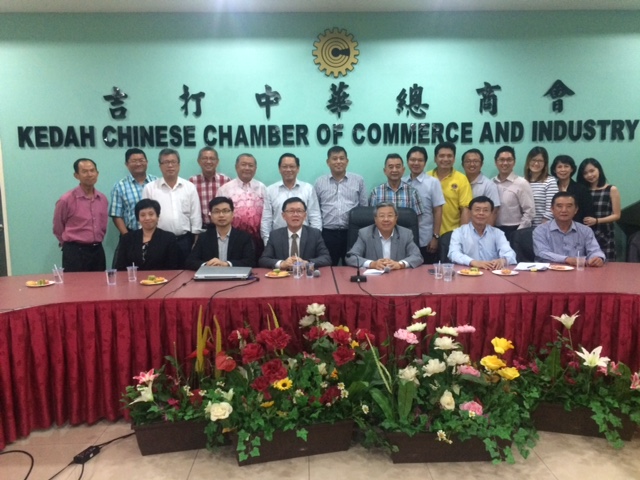
Socio- Economic Research Centre (SERC Sdn Bhd) held a research debriefing session with Kedah Chinese Chamber of Commerce and Industry (KedahCCCI)  on budget 2017. The Budget 2017 is tabled in Parliment on 21st October 2016. 


Mr. Lee Heng Guie, Executive Director of SERC highlight the 2017 Budget initiatives, sharing along with his perspectives on the impact of key measures on the economy and various economic sectors.
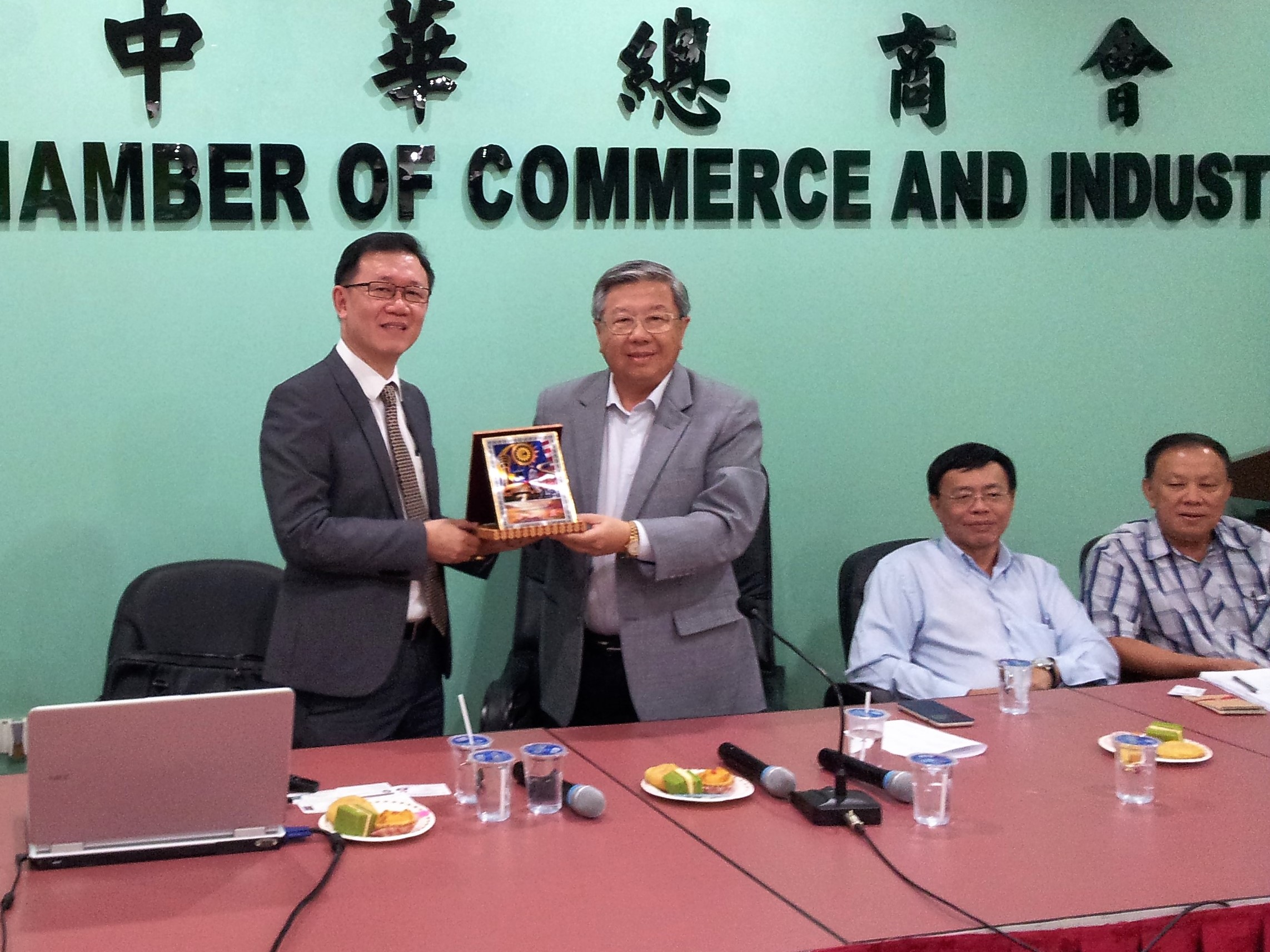
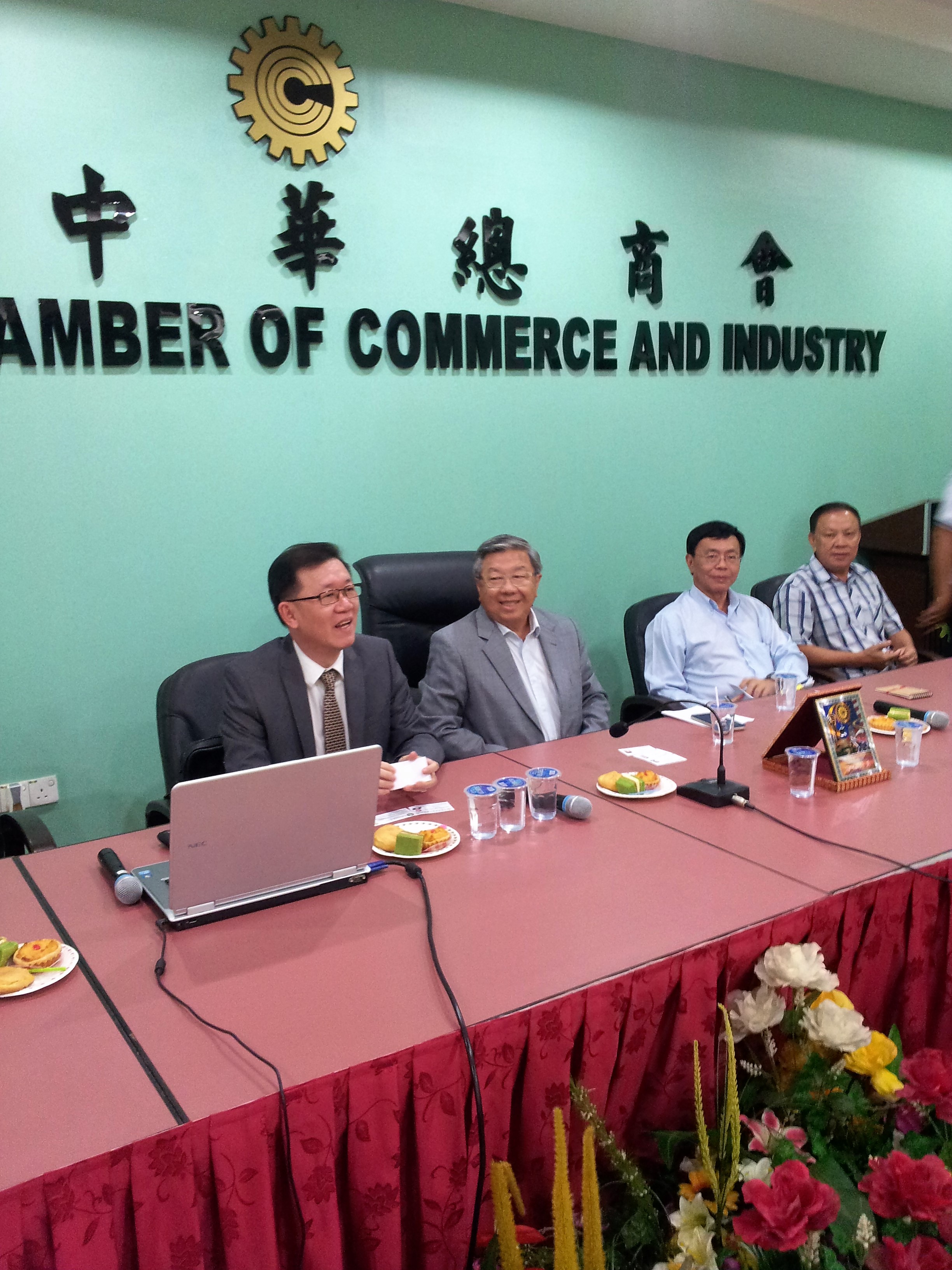


Research Debriefing with KEDAHCCCI  on 1st of November 2016.

ChinaPress